
 5s
⚡ Generate
AI Image Editor
Careful fitting of wardrobe, setting and light on frames that nearly pass. One adjustment per job, 21 credits, originals preserved.
Edit your own creations and media you hold rights and consent for.
Skip the prompt — start from a template
Pick an effect, upload your photo, and the built-in recipe does the rest. Same photo, far more reliable results.
You have been writing prompts by hand. Templates skip all of that — pick a card below, upload your photo, and get the same scene in one click.
5s
⚡ Generate
 5s
⚡ Generate
Eyes up while she sucks
 5s
⚡ Generate
Handjob Suck (Audio)
 IMAGE
⚡ Generate
Top Up, Tits Out
 NEW 5s
⚡ Generate
Chair pov pussy
 5s
⚡ Generate
BBC Between Her Tits
 5s
⚡ Generate
8inches blowjob
 5s
⚡ Generate
hold head deepthroat
 5s
⚡ Generate
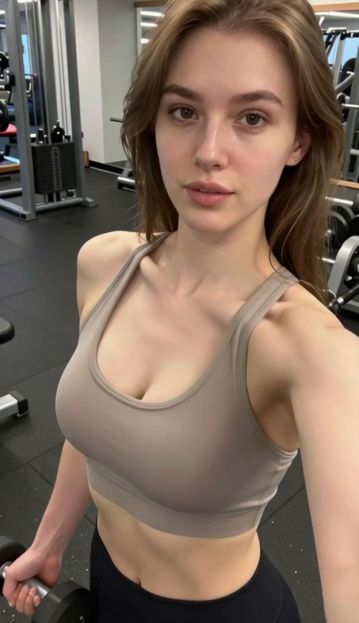
Extend Clip Close-Up
 IMAGE
⚡ Generate
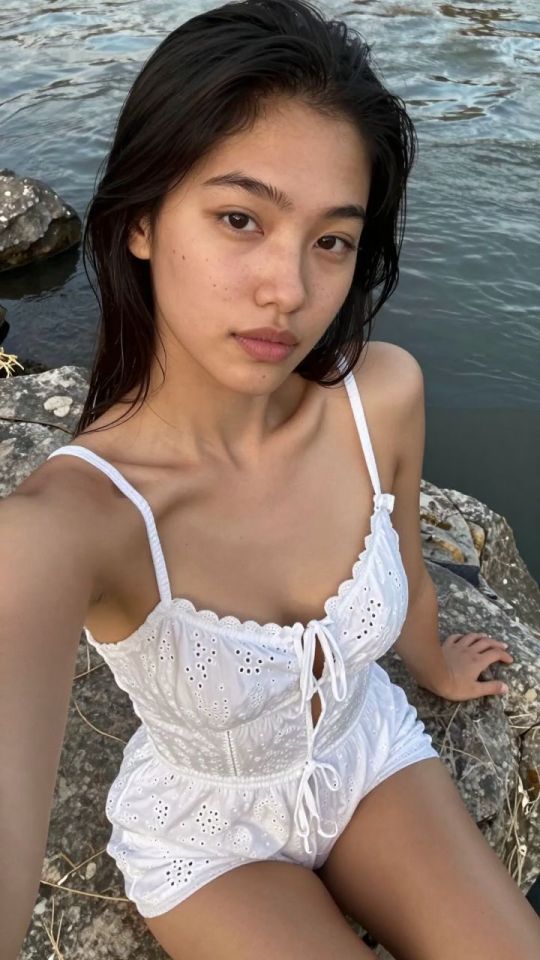
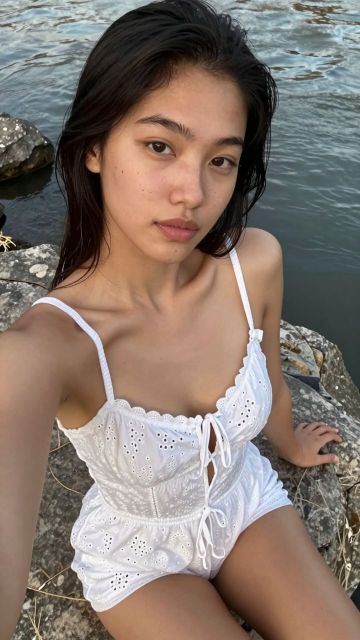
Caught Naked
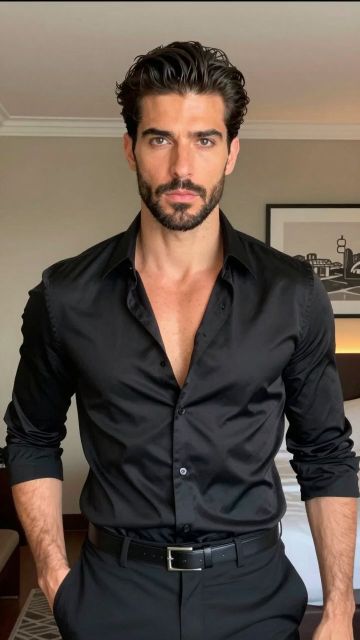 NEW IMAGE
⚡ Generate
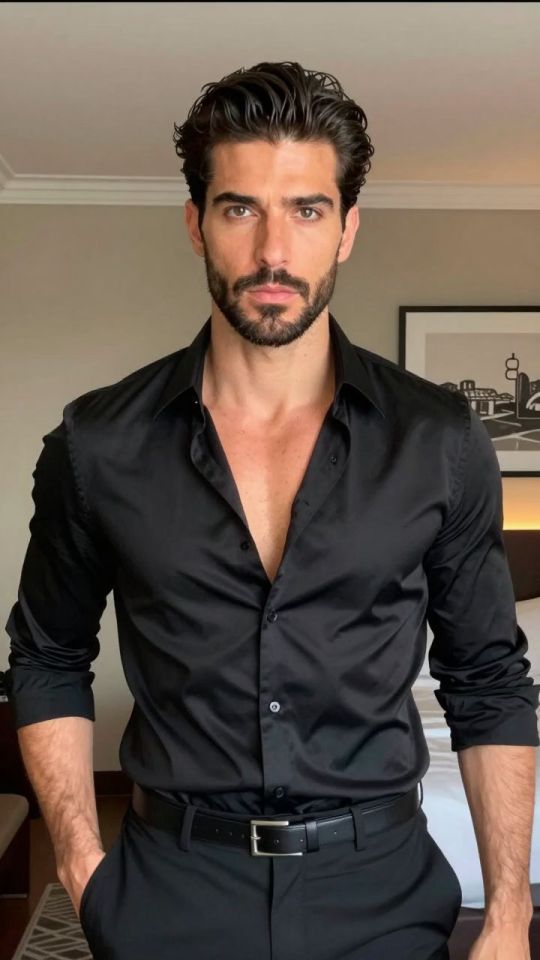
Cock Out, Staring at You
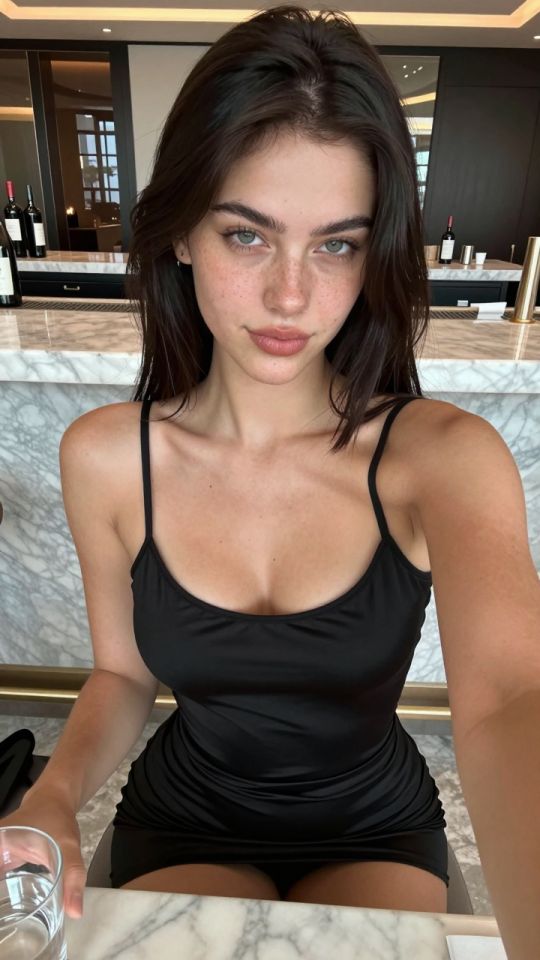
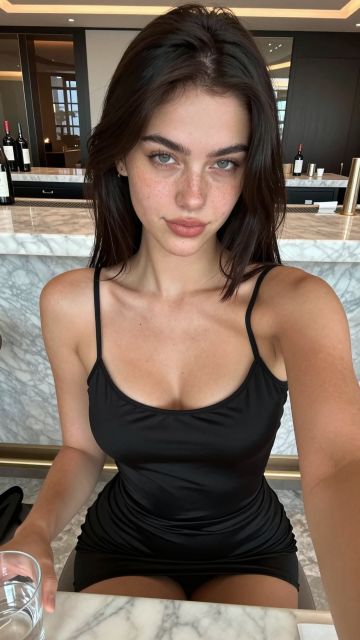 NEW 5s
⚡ Generate
Dildo in Her Ass, Squeezes Tits
Station 4, the fitting bench: careful adjustments
Every production run has frames that nearly pass. The pose holds, the light is true, but the outfit belongs to another set, or the setting belongs to another hall entirely. The editor — the fitting bench of the works — exists for those frames. State the adjustment in plain words — wardrobe, setting, light, a single detail — and the frame is re-machined with that change made and everything else left exactly as it was. Editing costs 21 credits a job, shown before you confirm, and the original is never overwritten: it stays in your account beside its adjusted version, like a first piece and its corrected twin, both kept so the size of the adjustment can itself be gauged later.
The bench routine
1
Choose frames worth fitting
Strong bones, wrong details. A frame whose composition itself has failed costs more to adjust than to recast, and the bench is not where pride should be spent.
2
One adjustment per job
A single instruction keeps the rest of the frame still and the cost predictable. Three changes at once is not an edit; it is a recast wearing an edit’s price.
3
Compare, and keep the better piece
Original and adjustment wait side by side in your account. Ship the winner. The other costs nothing further and asks nothing of you.
Adjustments most often made
Wardrobe
One frame, three outfits
The same pose dressed for three different packs — the quickest multiplication a catalogue knows.
Setting
The floor moved, the character not
Machine hall to boutique hotel to bare cream backdrop, without moving the woman or the light that holds her.
Light
The hour changed
Window light to spotlight, flat to dramatic — a frame re-graded so it sits quietly among the set it is joining.
Instructions that hold
Wardrobe
“Change the rust-orange velvet bodysuit to deep rose satin. Keep the pose, the hair and the hall light exactly as they are.”
The change is named and everything else is explicitly protected. The words “keep exactly” are cheap insurance, and they work at every station in the hall.
Setting
“Move the scene to a boutique hotel bedroom with a brass lamp and a tall mirror. The subject and her pose do not change.”
One setting, moved once. A new setting, a new outfit and a new pose in a single job is a new photograph, and should be briefed as one.
Edit, or cast again?
| Situation | The better move |
|---|---|
| Pose and light are right; details are wrong | Edit — it keeps the bones of the frame and costs less |
| The composition itself has missed | Recast the frame at the casting bay with a corrected brief |
| One keeper, three packs | Edit three times from the one keeper |
How much does an edit cost?
21 credits per job, shown before you confirm. Fitting a keeper is normally cheaper than recasting and re-inspecting a whole set at the casting bay.
Does an edit replace my original?
No. The adjustment is a new piece in your bay. The original waits untouched, and both remain yours.
How many changes may one job carry?
One. Stacked changes unsettle exactly the parts you asked to keep, and the frame drifts off card.
May I edit uploaded photographs?
Yes — your own photographs, under the same consent rules as every upload in this hall.
The edit missed. What now?
Narrow the instruction and name what must stay identical. Vagueness is the usual cause of a drifting adjustment.
One account, every tool in the chain
Drafts, edits, animation and finishing share one credit balance and one private library. Start with the piece you need today.
Open the generator
18+ only. All characters depicted are fictional adults. Only upload or transform media you own or have documented consent to use. Content involving minors or non-consensual imagery is prohibited and removed. © 2026 FuliMachine.